
The market isn’t simply recovering or expanding. It is accelerating, and it is doing so in a way that rewards precision over ambition.
David Abrams
04.14.26
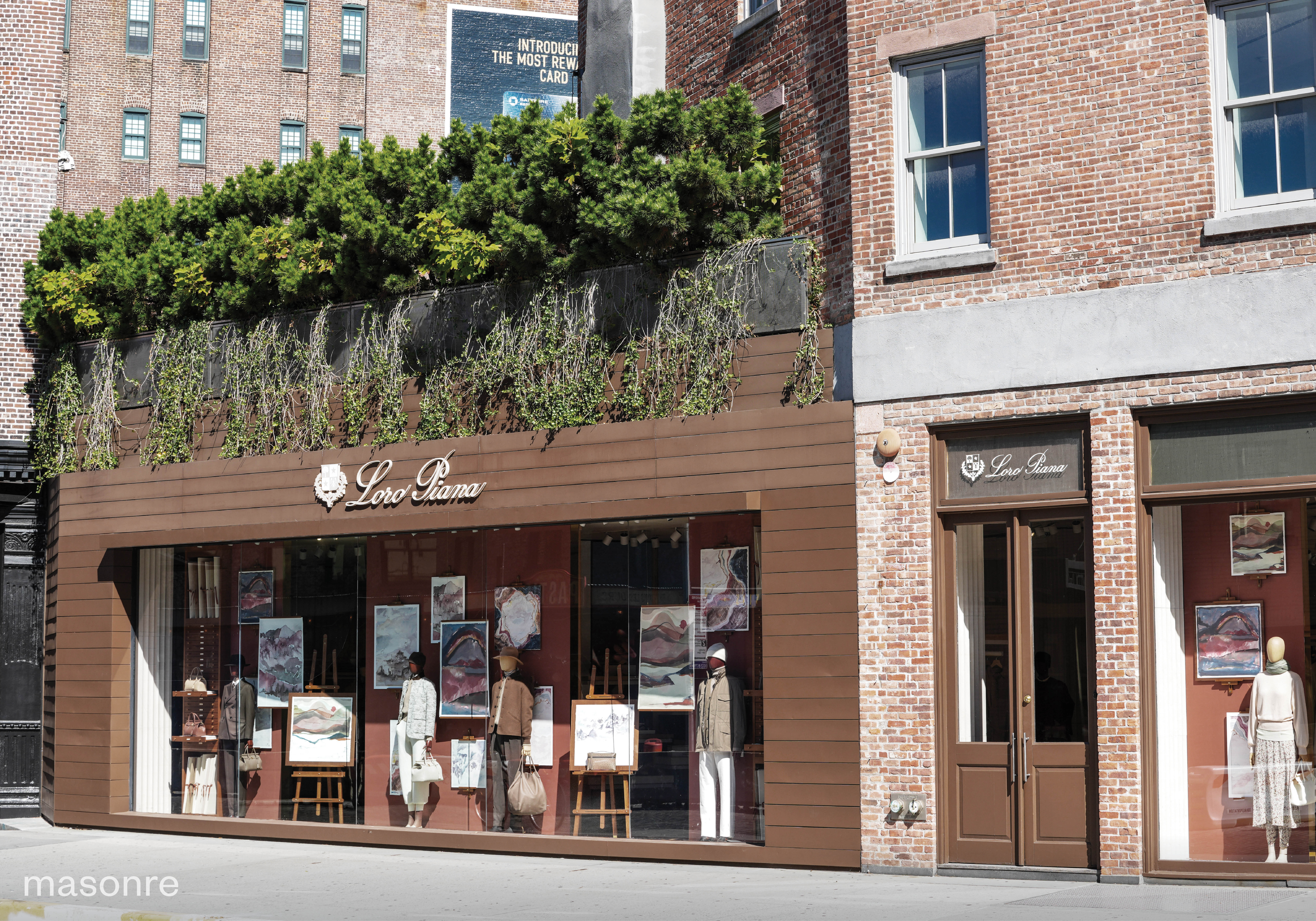
Having spent over 15 years in retail real estate, from my days as an intern at RKF to now leading masonre the brokerage and advisory firm I founded in 2021, I’ve watched luxury retail cycles up close. What’s happening right now is different. The market isn’t simply recovering or expanding. It is accelerating, and it is doing so in a way that rewards precision over ambition.
Luxury retail growth is clustering in income-dense, tourism-supported corridors rather than expanding broadly. Through our work advising institutional landlords and partnering with brands on strategic expansions across New York City, Miami, and Los Angeles, we are seeing this firsthand: selective positioning, compressed supply, and corridor-level precision now define the competitive landscape. The brands that understand this are winning. The ones that don’t are being left behind.
This analysis examines where and how luxury retail expansion is unfolding across the country, from concentrated growth markets and tightening supply dynamics to the strategic role of benchmark corridors like New York City.
The National Landscape: Concentrated, Not Diffused
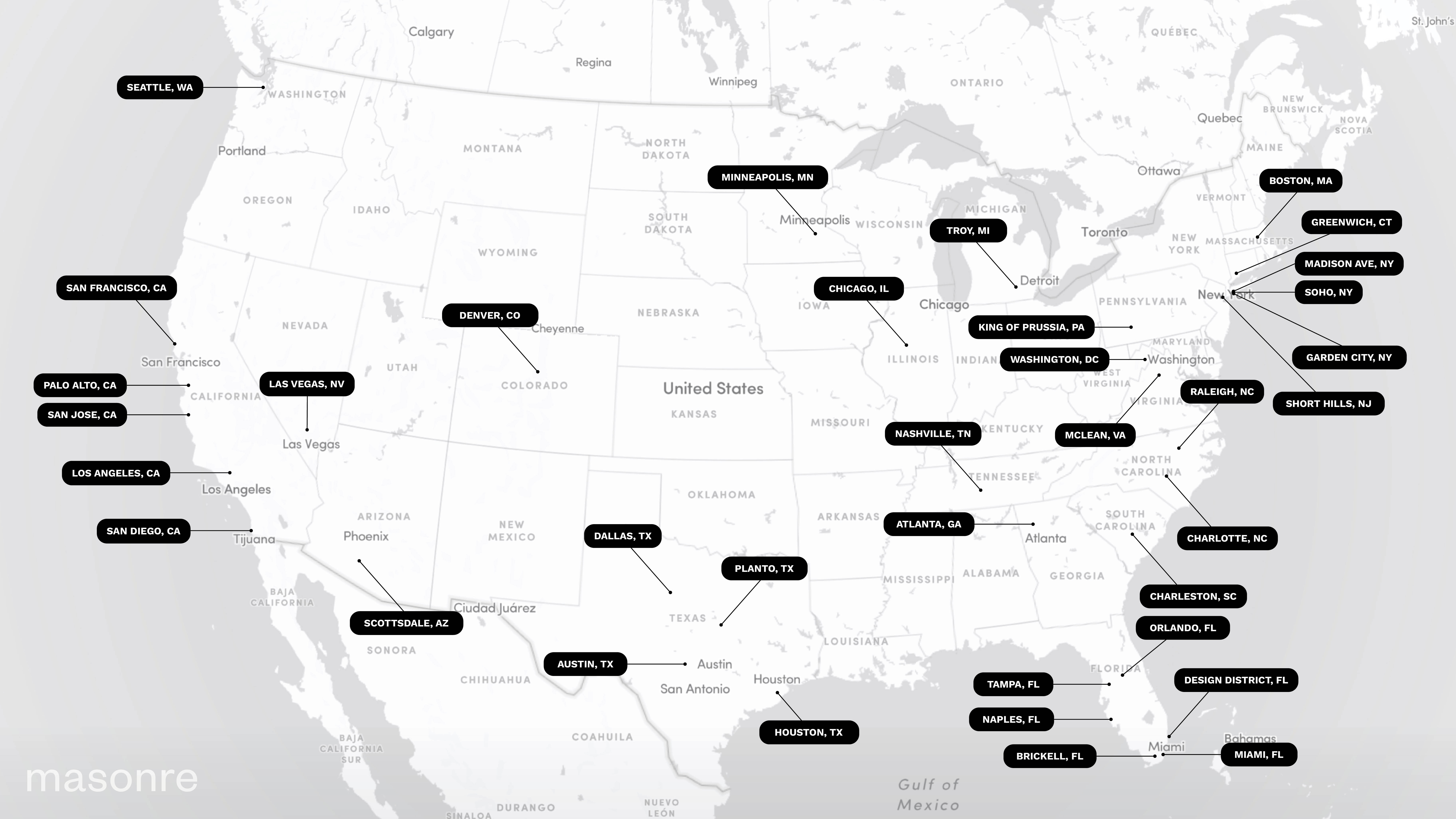
Luxury retail expansion today is not a coast-to-coast phenomenon. Instead, it is concentrating in specific metros and micro-corridors where high household income, tourism traffic, and brand density create a self-reinforcing ecosystem. Markets like New York’s Madison Avenue and SoHo, Miami’s Design District and Brickell, Beverly Hills, and select suburban nodes from Short Hills, NJ to King of Prussia, PA are drawing the most aggressive leasing activity.
Meanwhile, cities across the Sun Belt and Mountain West including Austin, Nashville, Charlotte, Charleston, and Scottsdale are emerging as selective expansion targets for brands seeking new customer bases without the occupancy cost pressure of legacy flagships. The map of opportunity is expanding, but only for brands willing to move with precision.
Market Signal: Performance Divergence
Luxury performance is no longer uniform across the sector. Select brands are outperforming projections while others are consolidating underperforming locations and facing heightened scrutiny on occupancy cost. The days when brand power alone could drive results in any zip code are over.
The winning strategy is location precision: understanding not just which city to enter but which block, which side of the street, and which co-tenancy cluster will generate the foot traffic and brand adjacency that translate to sales. This is exactly the kind of advisory work we do at masonre, and it is where we see the greatest divergence between brands that thrive and those that struggle.
Market Signal: Quiet Luxury Absorption
One of the most revealing dynamics in today’s market is the accelerating absorption of retail space by quiet luxury brands. While aspirational labels like Louis Vuitton and Gucci continue to hold flagship positions, brands such as Zegna, Eleventy, and Peter Millar are tolerating rising rents and expanding selectively, driven by a customer base with substantial buying power and lower sensitivity to economic cycles.
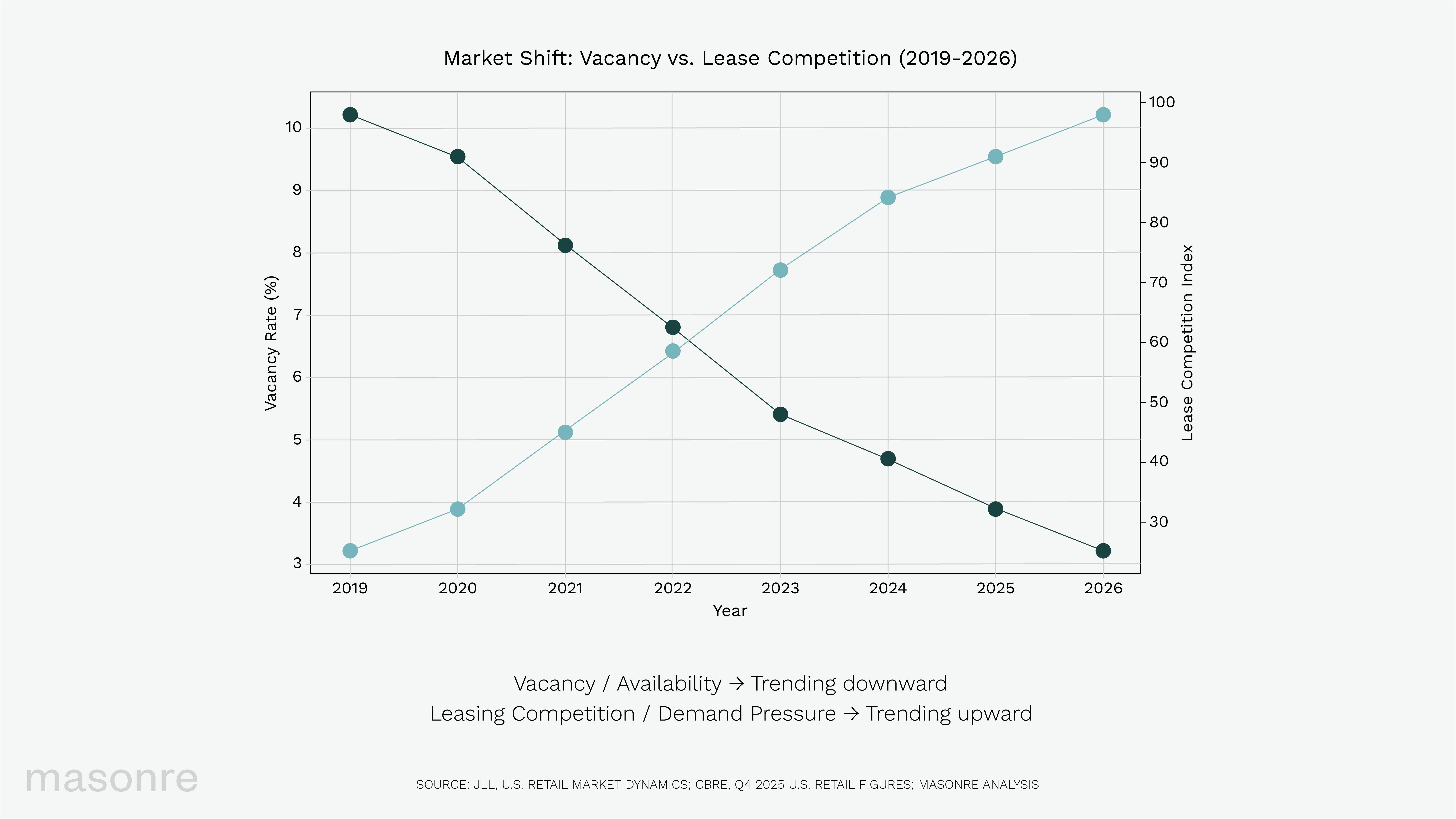
The data tells a compelling story: since 2019, vacancy rates in premium corridors have trended consistently downward while leasing competition and demand pressure have surged upward. Leasing momentum is increasingly margin-driven, rewarding brands whose unit economics can absorb rising occupancy costs. This creates a widening gap between brands that can afford to compete for scarce space and those that cannot.
New York as Benchmark
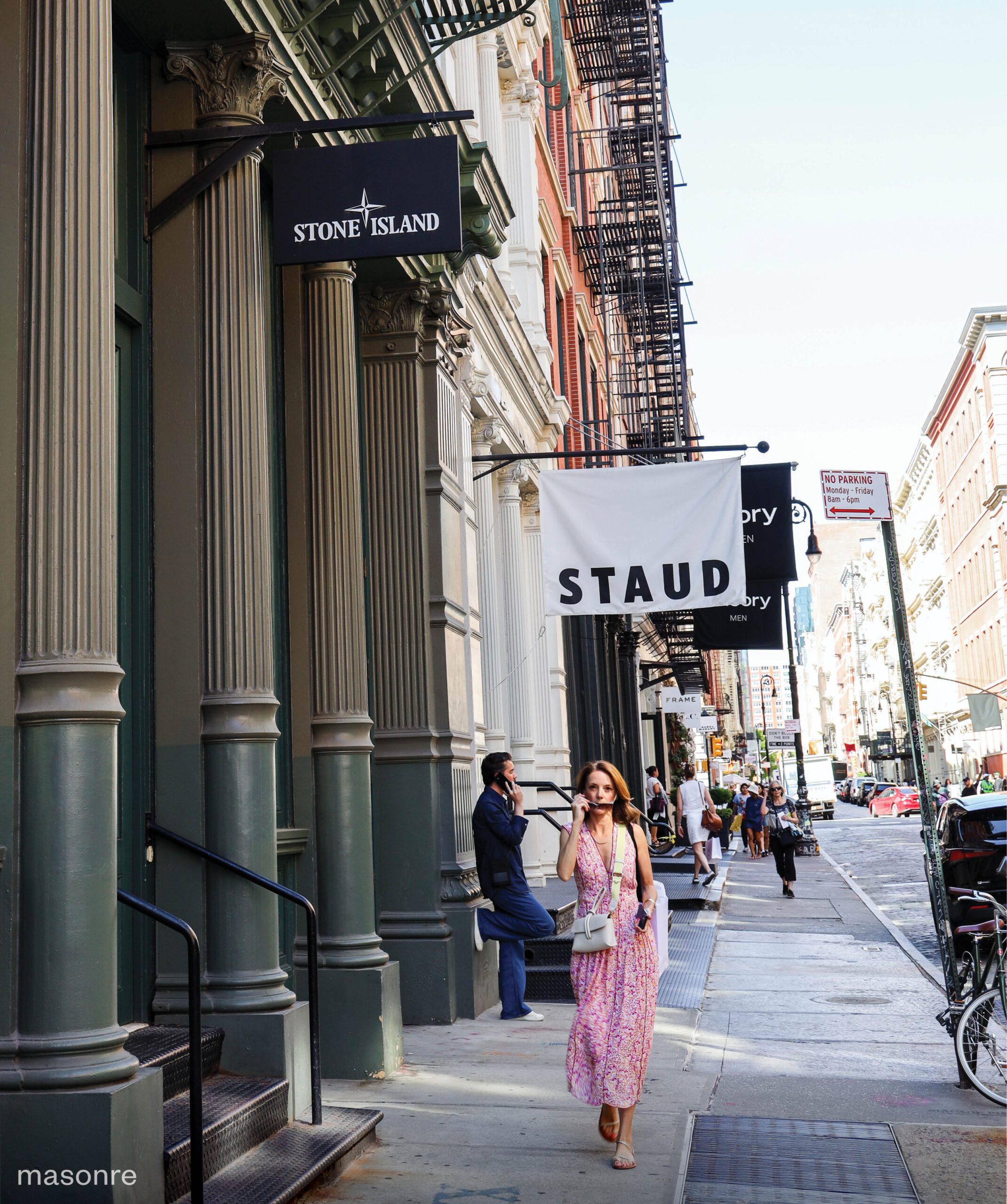
New York City remains the proving ground for national luxury strategy, and two corridors in particular are setting the pace. Upper Madison Avenue is experiencing strong rent recovery, accelerated leasing velocity, and an increasing density of quiet luxury tenants. SoHo, meanwhile, has rebounded from its pandemic-era dip with increased ownership activity and significant flagship repositioning.
What happens on these corridors reverberates nationally. Brands that establish or strengthen their New York presence send a signal of long-term conviction to landlords, investors, and customers in every other market. Having represented prominent institutional landlords across Manhattan for over a decade, I can say confidently that the competition for prime New York retail space has never been more intense.
Ownership as Strategic Positioning
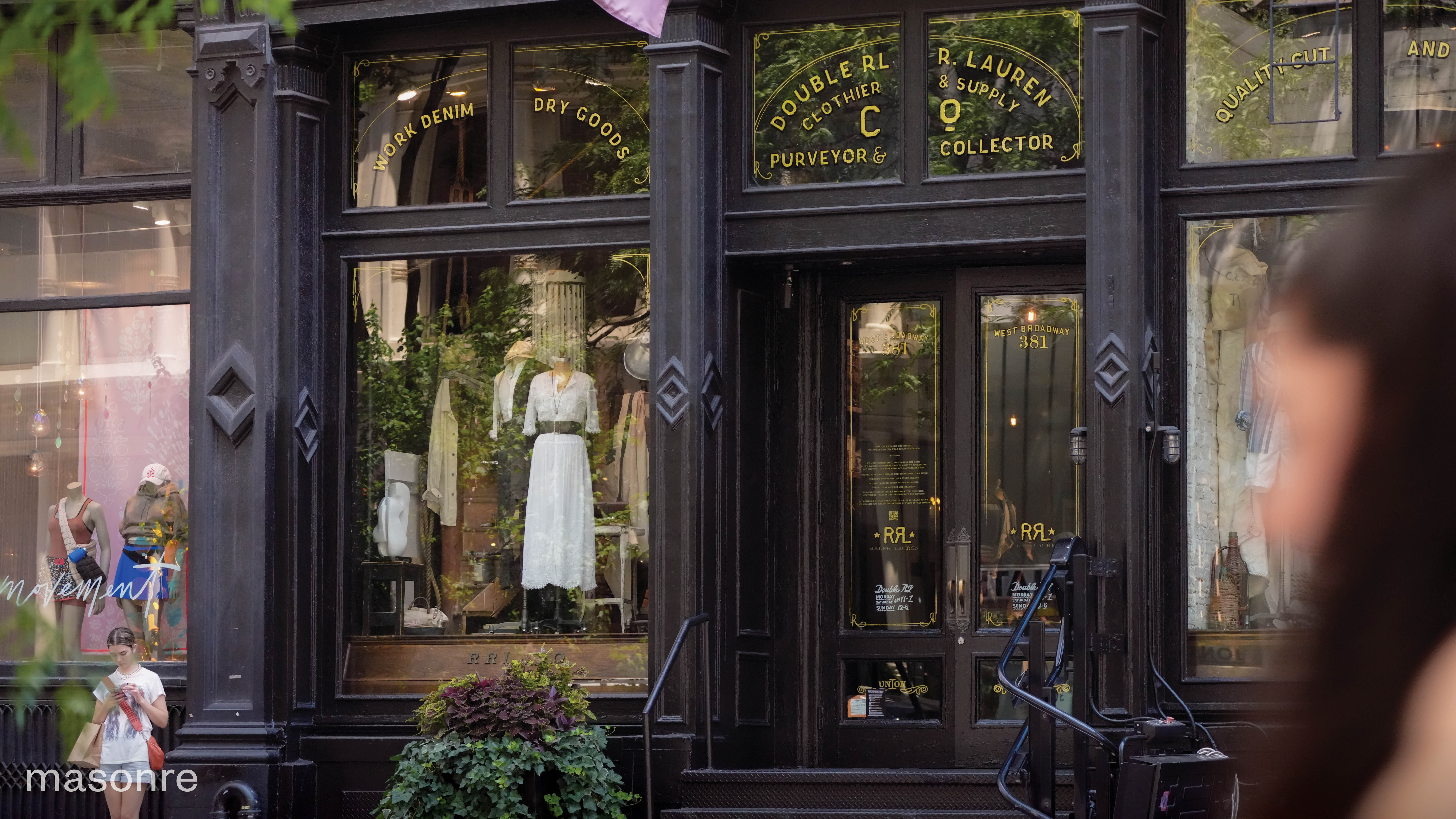
Perhaps the most significant structural shift in luxury retail real estate is the move from leasing to ownership. Recent high-profile transactions, including Ralph Lauren’s acquisition in SoHo, IKEA’s purchase on Broadway and Fifth, and Alo’s property moves in South Beach, the Design District, and Los Angeles, signal that the industry’s most forward-thinking players are embedding real estate into their long-term capital strategy.
Ownership is increasingly used to secure corridor permanence, hedge against escalating rents, and signal long-term conviction to customers and competitors alike. Real estate is no longer just an operational cost. It is becoming a brand asset in its own right. This is a shift I anticipated when I founded masonre, and it is central to how we advise our clients today.
Strategic Implications for 2026
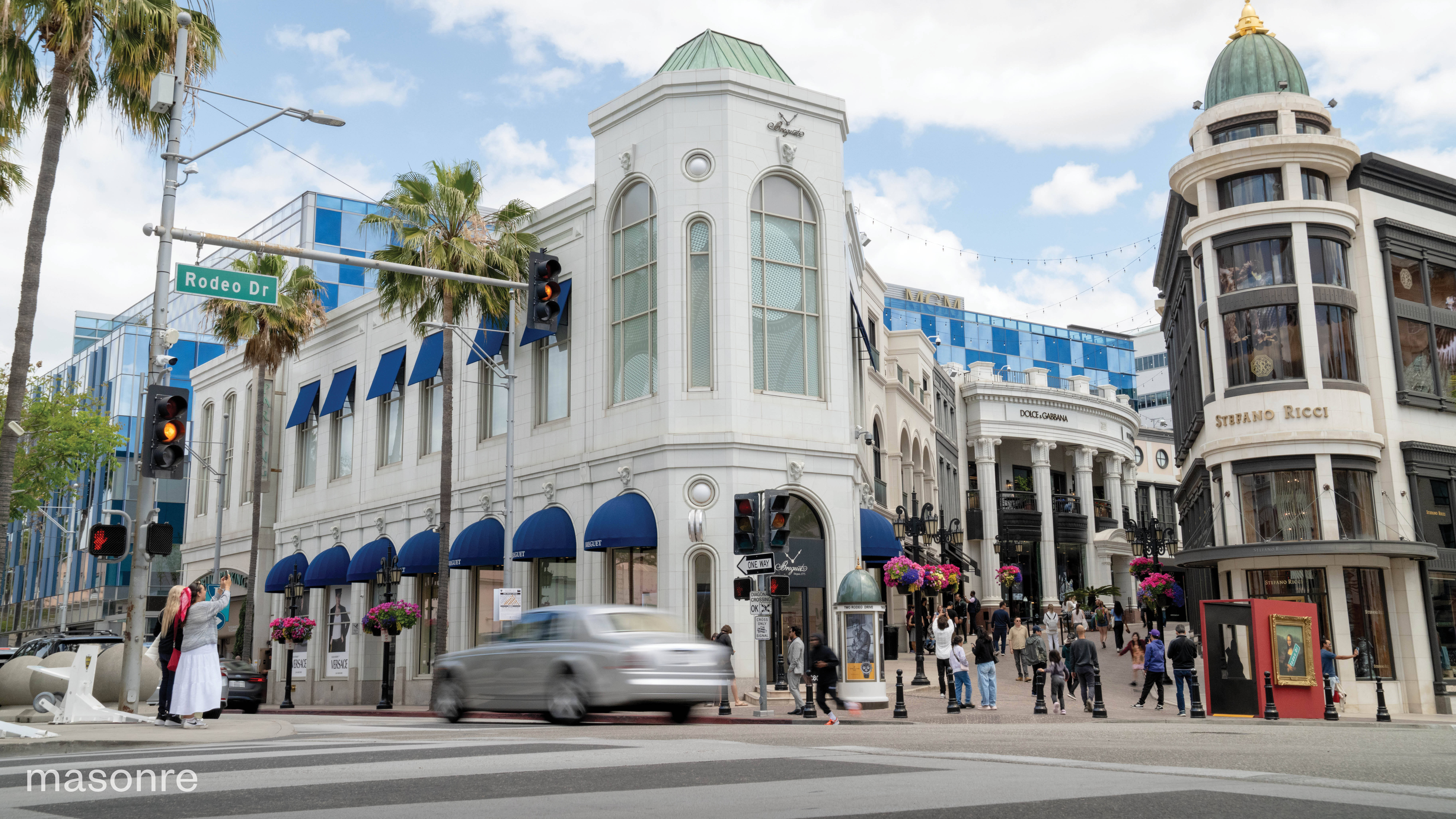
Successful luxury retail expansion in 2026 requires a combination of corridor precision, speed of execution, capital discipline, and off-market awareness. Brands entering the U.S. market for the first time are advised to focus on proven flagships, Madison Avenue, SoHo, the Miami Design District, and Beverly Hills, while those already established should look to selective secondary markets like Charleston, Naples, Tampa, and Aspen for growth.
The overarching theme is clear: expansion today is about density, not footprint. It is about placing the right store in the right corridor with the right team, and the brands that grasp this are the ones reshaping the American luxury landscape.
What This Means for the Market Ahead
The acceleration of luxury retail has direct implications for every stakeholder in the ecosystem: landlords, brands, and the talent that operates these businesses. As brands compete for a shrinking pool of prime locations, the advisory relationships and market intelligence that guide those decisions become more consequential than ever.
I built masonre on the belief that brokers should serve as true partners to their clients, advising from vision through execution. Whether you are a landlord positioning a trophy asset, a brand planning your next U.S. corridor, or an investor evaluating retail real estate opportunities, the stakes have never been higher and the margin for error has never been thinner.